Tires are one of the most important parts of your car. They connect you to the road and help keep you safe.
But what happens if you put too much air in them? Over inflated tires can cause a lot of trouble — more than you might think.
In this guide, we’ll explain exactly what happens when your tires are over inflated and, most importantly, how you can fix it easily.
What Happens When Tires Are Over Inflated?
When tires have too much air, they stop working the way they should. Let’s look closer at all the problems that can happen:
1. Less Contact with the Road
Your tires are designed to sit flat against the road. This gives your car good grip, helps with steering, and makes braking safe. But when a tire is over inflated, it bulges out in the middle. This means only the center of the tire touches the ground, and the sides lift up slightly.
Because there’s less rubber touching the road, your car can lose traction, especially when roads are wet or icy. Turns may feel shaky, and your car might slip or skid more easily. This is dangerous because it can make you lose control, especially when you need to react fast, like during a sudden stop or quick lane change.
2. Rougher, More Uncomfortable Ride
Tires are supposed to absorb small bumps and cracks in the road, giving you a smoother ride. But over inflated tires are stiff — like bouncing a basketball that’s pumped up too much. Every little bump, crack, or pothole in the road feels bigger.
Driving on over inflated tires can make your car feel harsh and shaky. Over time, the constant jarring can even cause extra wear and tear on your car’s suspension system — the parts that help cushion your ride. It can also make long road trips really tiring and uncomfortable for everyone inside the car.
3. Higher Risk of Tire Damage
Tires are made to be strong, but too much air inside makes them brittle and less flexible.
When you hit something like a pothole, curb, or debris, an over inflated tire can’t bend or flex properly. This makes it much more likely to crack, tear, or even pop (called a blowout).
Blowouts are extremely dangerous, especially at highway speeds. Losing a tire suddenly can cause you to lose control of the car and lead to a serious accident.
Even if the tire doesn’t pop right away, tiny cracks can form inside the tire, weakening it over time.
4. Uneven Tire Wear
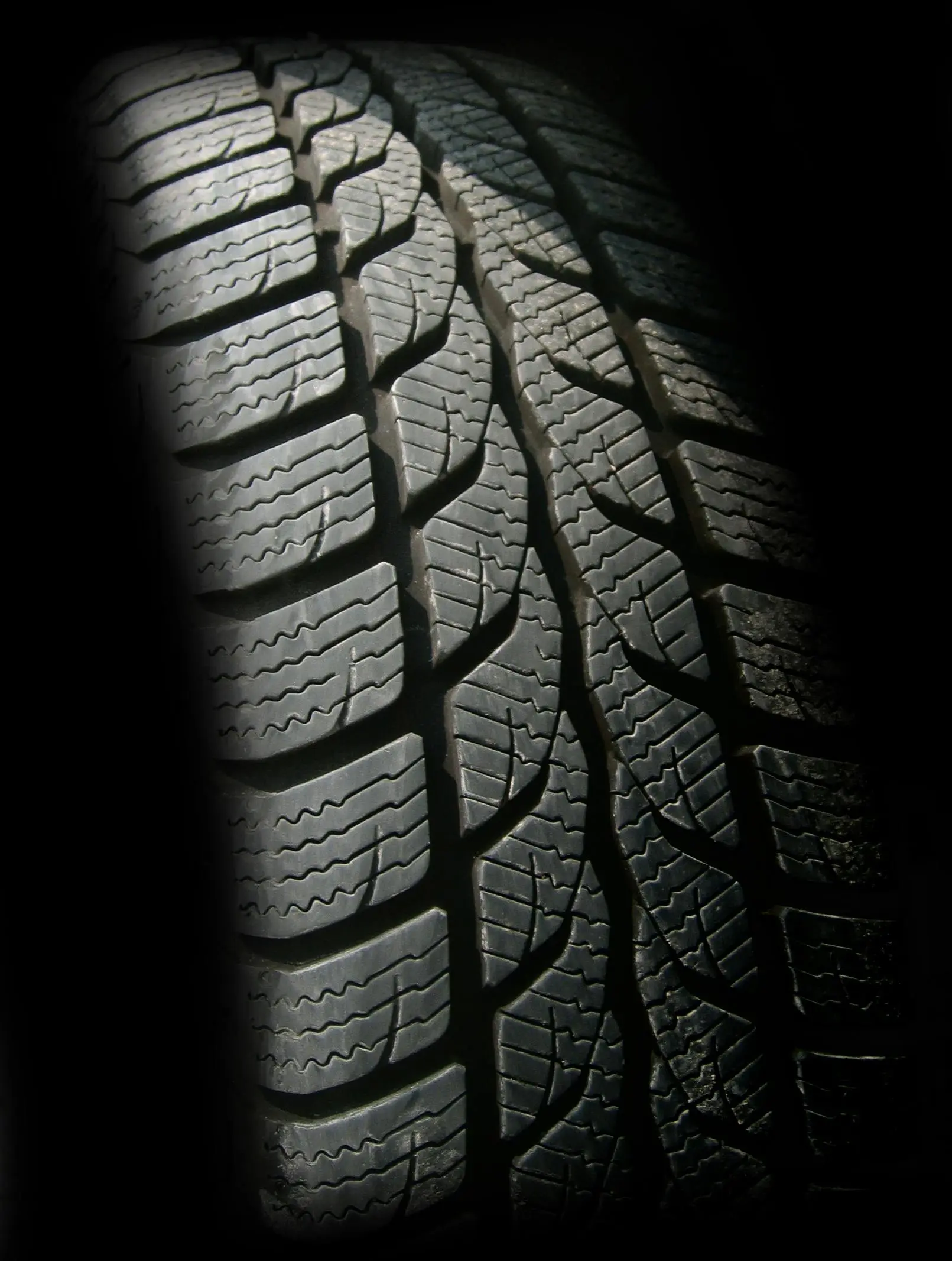
Tires are expensive, and over inflation can cause them to wear out much faster than they should. When only the middle of the tire is touching the road, that part wears down quicker, while the outer edges stay in good shape.
This is called “center wear,” and once the middle tread is worn out, the tire can’t grip the road properly. You’ll have to replace the tire long before you normally would, which wastes money. Plus, uneven tires can cause your car to pull to one side, shake, or handle strangely.
5. Worse Handling and Longer Stopping Distances
Handling means how well your car responds to your steering, turning, and braking. Over inflated tires make handling worse.
Since less rubber is touching the ground, you might notice that your car feels jittery or twitchy when you steer. It may even feel like it’s sliding a little bit on turns.
Braking is also affected. With less tire gripping the road, it takes longer to come to a full stop.
In an emergency, those extra feet of stopping distance can make the difference between a safe stop and a crash.
How to Fix Over Inflated Tires
If your tires are over inflated, don’t worry. It’s pretty easy to fix with a few simple steps. Here’s how:
1. Find the Right Tire Pressure
Every car has a specific tire pressure it needs for the best performance. You can usually find it in two places:
- A sticker inside the driver’s door (or sometimes the glove box).
- Your car’s owner’s manual.
This number tells you the ideal pressure in PSI (pounds per square inch). Important: Don’t use the number written on the tire itself! That’s the maximum pressure the tire can handle, not the recommended pressure for your car.
The correct PSI makes sure your tires are safe, comfortable, and long-lasting.
2. Check Your Tire Pressure
You’ll need a tire pressure gauge. There are three types:
- Stick gauges (like a small pen).
- Dial gauges (like a small clock).
- Digital gauges (easy to read).
You can buy one at an auto parts store for a few dollars. Some gas stations also have air pumps with built-in gauges.
Here’s how to check:
- Unscrew the valve cap from the tire.
- Press the gauge onto the valve stem.
- Read the pressure.
It’s a good idea to check all four tires. Sometimes, only one or two tires might be over inflated, but it’s best to check them all to be safe.
3. Let Out Some Air
If your tires are over inflated, you’ll need to release some air.
- Press the small metal pin inside the valve stem to let the air escape. You can use your fingernail, the back of the gauge, or a special valve tool.
- Let out a little bit at a time.
- Keep checking with your gauge until the pressure is right.
Be patient! It’s better to let out air slowly than to let too much out and have to refill.
4. Recheck After Driving
Tire pressure can change after driving, because the tires heat up and the air inside expands. Always check your tire pressure when the tires are cold — like first thing in the morning or after the car has been parked for a few hours.
If you check right after driving, the pressure will read higher than it really is.
How to Prevent Over Inflation in the Future
Fixing your tire pressure is important, but keeping it correct all the time is even better! Here’s how to stay on top of it:
1. Check Tire Pressure Regularly
Get into the habit of checking your tire pressure once a month. It only takes a few minutes and can save you a lot of trouble. Some people also check before a long road trip or when the seasons change.
2. Use Good Equipment
Some gas station air pumps aren’t very accurate. If possible, invest in a good quality pressure gauge and portable air pump. They’re small, affordable, and can keep you from over inflating by accident.
3. Pay Attention to Seasons
Cold weather lowers tire pressure. Hot weather raises it. When the seasons change, it’s smart to check and adjust your tires. You might need to add air in the winter or let some out in the summer.
4. Don’t Guess by Sight
Tires can look fine but still be way over (or under) inflated. Always use a gauge. Trust the numbers, not your eyes!
Final Thoughts
Over inflated tires might seem harmless at first, but they can cause rough rides, faster tire wear, poor handling, and even dangerous blowouts.
Luckily, fixing them is simple and takes only a few minutes.
By keeping your tires properly inflated, you’ll stay safer on the road, enjoy a smoother drive, save money on new tires, and get better fuel economy. A little attention to your tires goes a long way toward keeping your car in top shape!